The Psychology of Anticipatory Dread In Horror Films
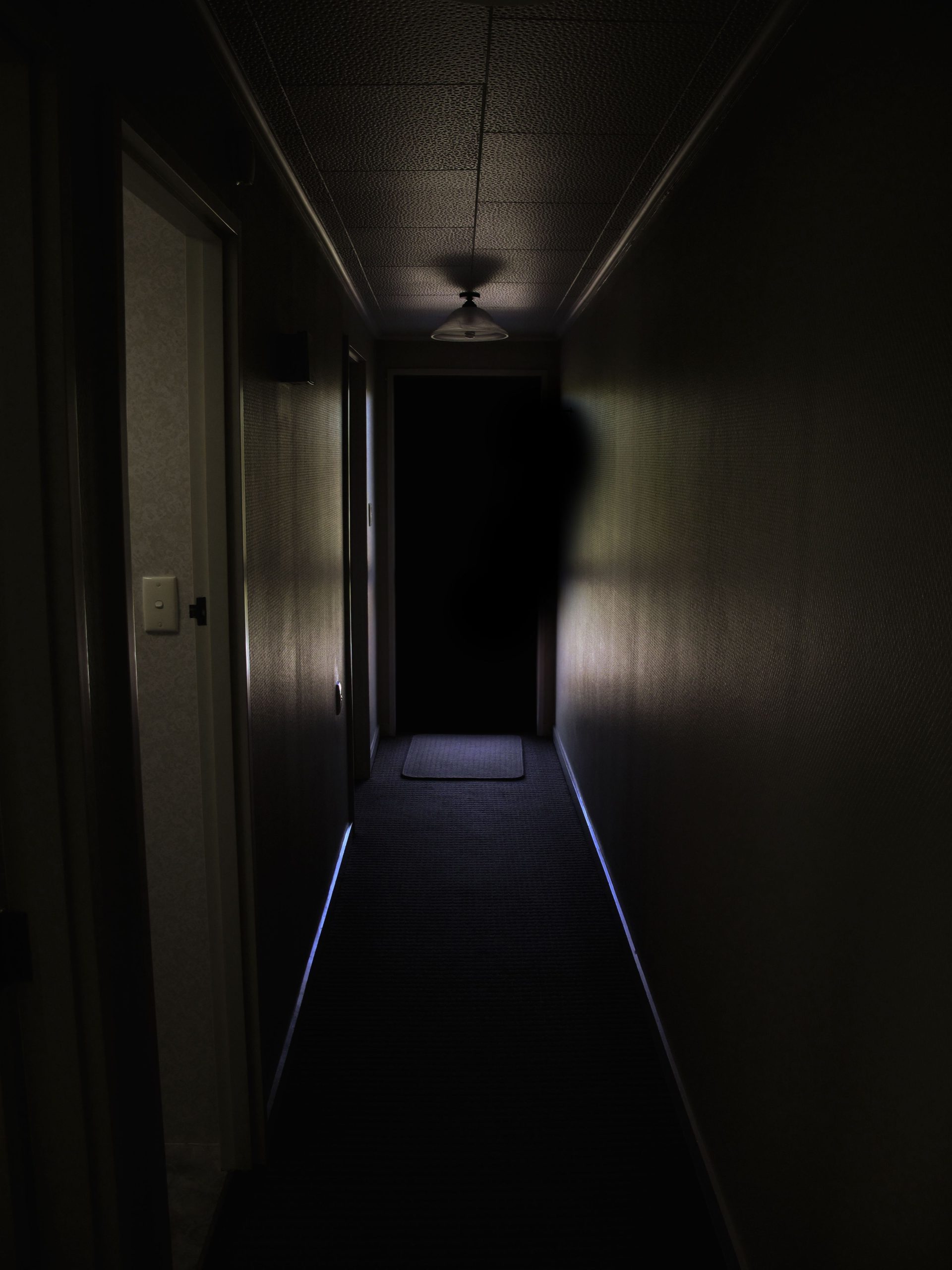
There is something deeply unsettling about an empty hallway, isn’t there?
A grotesque creature looming directly over us would certainly provide something concrete to react to. We can see it. We know where it is. We know (at least, in the immediate sense) what our very tangible threat looks like. But an empty hallway offers up no such certainty. There is only darkness, distance, and the possibility that something, or someone, could be waiting just beyond what we can see. In film, the thing we imagine standing at the end of the hallway is often far more frightening than anything a director could actually put there!
Part of what makes these situations unnerving is uncertainty. When we don’t have enough information to understand what the hell is happening, our mind takes on the task of filling in the blanks. In horror, that uncertainty becomes a tool to be wielded against the viewer. Only in scary movies is the relationship between filmmaker and audience borderline antagonistic (we want to be unsettled, unpleasantly startled, or tricked) and this is accepted by all parties before the popcorn is even popped. Directors can show us a dark doorway without showing us what is inside it, and suddenly the doorway becomes a terrifying question. Is someone standing there? Did something move? Was that shadow shape always in the corner? The audience starts participating in the creation of the threat because imagination has taken over where the camera stops providing answers.
Horror filmmakers have endless tricks up their sleeves to encourage this process and have been deploying them for decades. Some of it seems relatively obvious. Darkness limits what we can see. Silence makes smaller sounds seem more important. Then, a restricted camera angle may keep something just outside the frame until it’s ready to be revealed. A character might slowly approach an empty room while the audience waits for something to happen. Even an ordinary space can become threatening when the story gives us enough reason to believe that something might be creeping inside of it. The longer a filmmaker delays the answer, the more opportunities the audience has to imagine one.
This is where anticipation becomes so important to horror. Seeing a threat can produce an immediate reaction, but waiting for it can stretch that reaction out. It could even be argued that, oftentimes, revealing the threat at all disappoints the audience. Perhaps this is because nothing a CGI artist creates could compare to the imagined cosmic horrors a moviegoer may imagine all on their own.
There is also something interesting about how personal this kind of fear can become. A filmmaker can design the hallway, control the lighting, and decide exactly where the camera points, sure, but the audience supplies the final (and most crucial!) ingredient. Everyone brings their own preloaded fears, anxieties, triggers and expectations to what they witness. One person might imagine a murderer waiting around the corner. Someone else might imagine a supernatural figure. Another person might simply become uncomfortable because they can’t see what is beyond the darkness and cannot comprehend what might be.
That may be one of horror’s most effective tools; the less information we receive, the more room our imagination has to work. An empty hallway is frightening because it leaves us waiting for a reveal we may never get. Until we receive one, almost anything could be waiting for us in the pitch blackness.
And sometimes, uncertainty is the scariest thing of all.
-
Why We Keep Looking Down the Hallway
Why can an empty hallway feel more frightening when there’s nothing in it? This post…
-
Lesson Concepts
A brief look at how WordPress categories and tags organize content, improve navigation, and help…
-
Fright Attendant
Fright Attendant explores horror through psychology and storytelling, examining why frightening stories work and what…

Leave a Reply